The Best Pressure Points for Back Pain Relief
Back pain is rarely structural. This guide identifies the trigger points most responsible for lower and upper back pain and shows you how to release them.
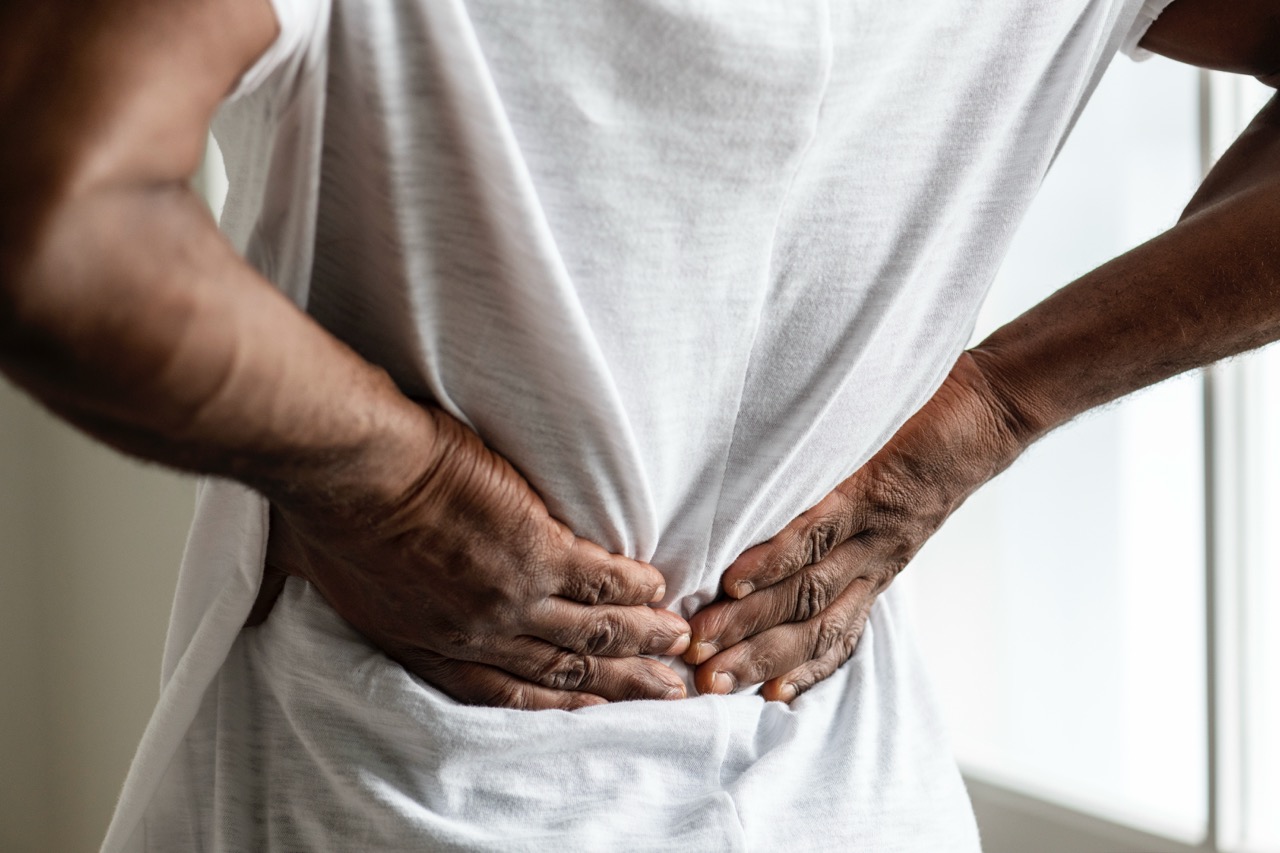
Why Back Pain Is Rarely Where You Think
The most important thing to understand about trigger point-driven back pain is that the source is almost never at the site of pain. The aching, burning, or stiffness you feel in your lower back is typically referred sensation from a muscle several inches away. Finding and releasing the source changes everything.
The Five Key Trigger Points for Back Pain
1. Quadratus Lumborum (QL)
The QL sits deep in the lower back on either side of the lumbar spine. Trigger points here refer pain across the entire lower back, along the top of the pelvis, and into the outer hip. This is the most commonly overlooked driver of chronic lower back pain. To locate it, press firmly in the soft tissue between your lowest rib and the top of your pelvis, just lateral to the spine.
2. Gluteus Medius
The gluteus medius lies along the outer hip just below the top of the pelvis. It commonly refers pain across the sacral region and lower back, creating a belt-like ache that many people attribute to the spine itself. It is significantly implicated in sacroiliac joint pain.
3. Iliopsoas
The psoas runs from the lumbar vertebrae through the pelvis to the femur. When chronically shortened by prolonged sitting, trigger points develop that refer pain into the lower back and groin. Releasing the psoas often produces an immediate improvement in lumbar extension and standing posture.
4. Paraspinal Muscles
The erector spinae and multifidus groups run along either side of the spine. These muscles are the most commonly palpated in back pain but are often treated in isolation. Trigger points here respond well to sustained pressure and are easily accessed with the Pressure Pointer while lying down.
5. Piriformis
While the piriformis is technically a hip muscle, its trigger points frequently refer pain into the lower back and sacral area. It is particularly relevant when back pain is accompanied by hip restriction or radiating leg discomfort.
How to Approach Back Pain with the Pressure Pointer
Begin with the QL on the more affected side. Position the Pressure Pointer between the lower rib and pelvis with your body weight assisting. Hold each tender point for 60 seconds, then move to the gluteus medius and paraspinals on the same side. Work both sides in each session. Most people experience meaningful improvement within the first three to five sessions.
References & Further Reading
The back pain trigger point content in this article has been cited in fitness and health communities dealing with chronic, hard-to-diagnose musculoskeletal pain:
- Back Pain That No One Can Solve — T Nation: A widely-read fitness community thread in which members reference trigger point therapy — including serratus and deep back muscle content — as a solution to chronic back pain that resists conventional treatment.