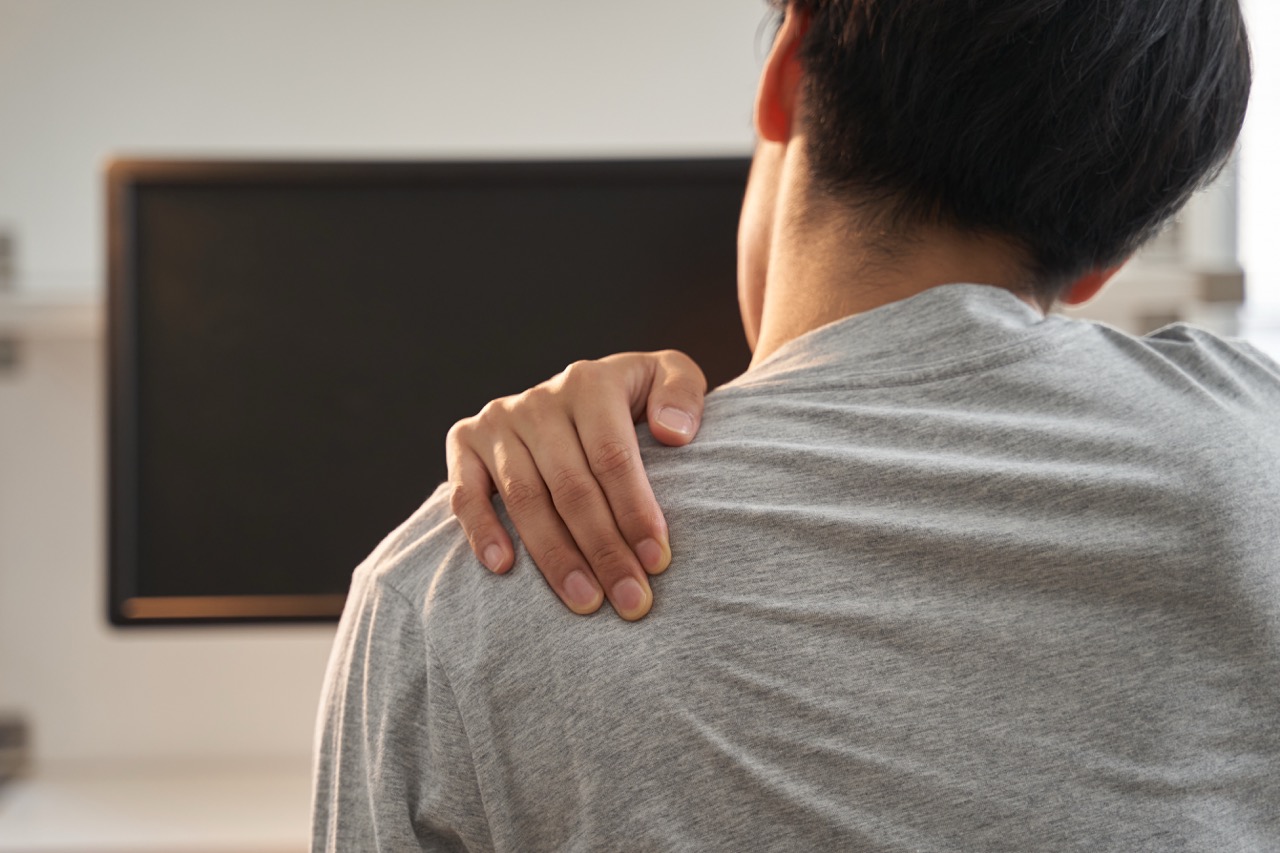
Post-Workout Recovery: Using the Pressure Pointer After Exercise
How to integrate the Pressure Pointer into your post-workout recovery routine to prevent trigger point formation and reduce next-day soreness.
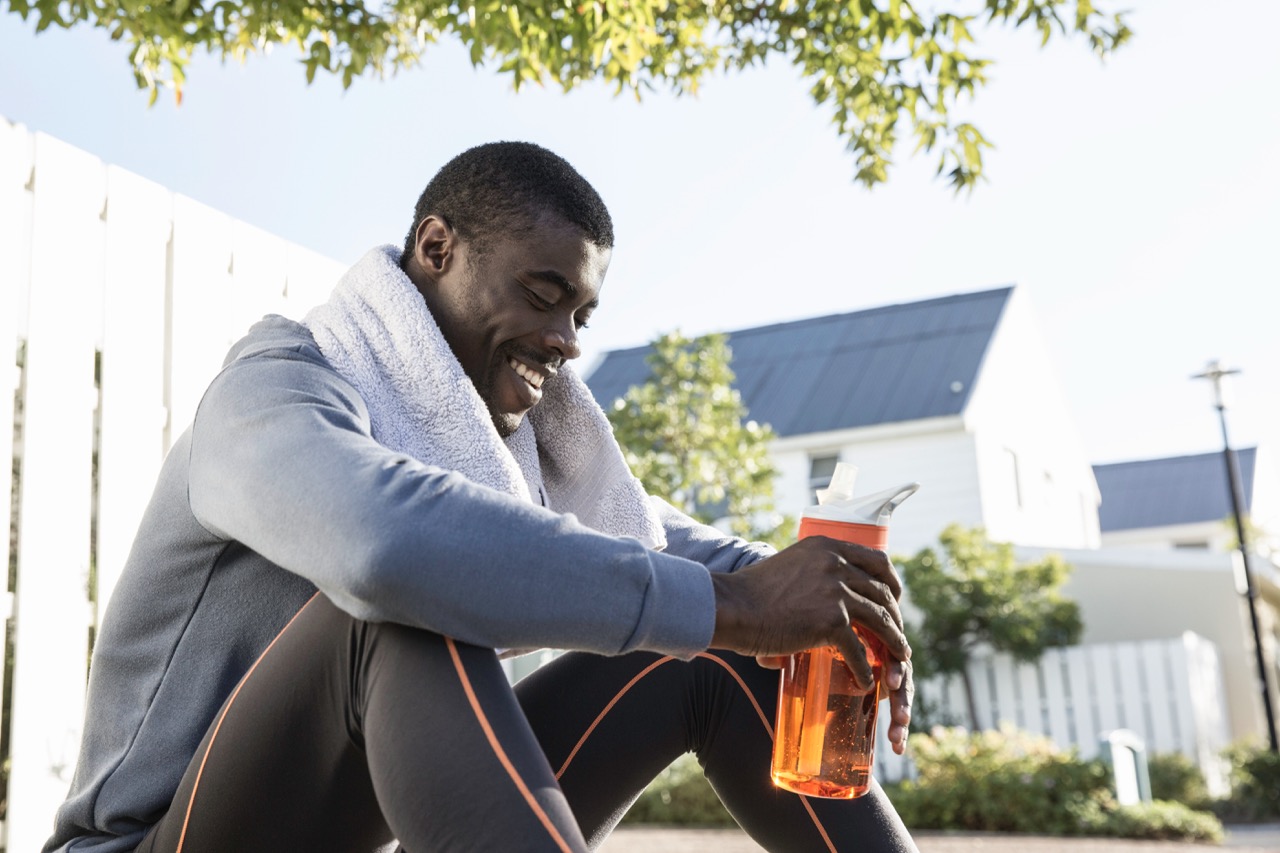
Why Exercise Creates Trigger Points
Intense or repetitive exercise produces micro-damage in muscle fibers. This is normal and is the mechanism by which muscles grow stronger. However, when recovery is incomplete or when certain muscles are overloaded relative to their capacity, the repair process can result in localized contractions that become trigger points.
The Post-Workout Window
The best time to address exercise-induced trigger points is within two hours of completing your workout, while the muscles are still warm and blood flow is elevated. A brief 5 to 10 minute session with the Pressure Pointer during this window can prevent trigger points from establishing and significantly reduce delayed-onset muscle soreness.
Target the Muscles You Trained
Focus on the primary movers from your workout. After a pushing session, check the pectorals, anterior deltoids, and triceps. After pulling work, check the lats, rhomboids, and biceps. After leg training, focus on the quadriceps, hamstrings, and glutes. Hold each tender point for 30 to 60 seconds with moderate pressure.
Common Trouble Spots by Activity
Runners: piriformis, hip flexors, calves. Cyclists: quadriceps, hip flexors, upper trapezius. Swimmers: infraspinatus, pectorals, lats. Desk workers who exercise: upper trapezius, levator scapulae, suboccipitals. These muscles carry the highest trigger point load for each activity and should be prioritized in your recovery routine.
Recovery Is Training
The athletes who recover fastest are the ones who treat recovery as part of their training program rather than an afterthought. Five minutes with the Pressure Pointer after every session is a small investment that compounds into significantly better tissue quality, reduced injury risk, and more consistent performance over time.