Thoracic Paraspinals
Overview
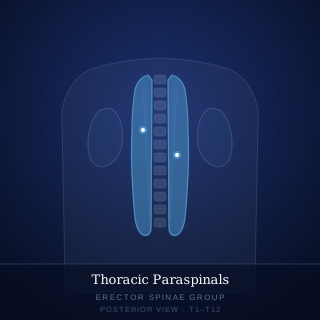
The thoracic paraspinal muscles include the erector spinae group (iliocostalis, longissimus, spinalis) and the deeper multifidus and rotatores muscles running along both sides of the thoracic spine. They extend, laterally flex, and rotate the spine.
Pain Pattern
Trigger points in the thoracic paraspinals refer pain locally along the spine and laterally across the mid-back. The pain is a deep, persistent ache that worsens with prolonged sitting or standing. Patients often describe feeling like their back is locked or immovable in the thoracic region.
Common Causes
Prolonged sitting with poor posture, repetitive bending and lifting, scoliosis, and chronic stress-related muscle guarding all contribute. The thoracic paraspinals are among the most commonly affected muscles in office workers.
How to Use the Pressure Pointer
Lie on your back with the Pressure Pointer positioned alongside the thoracic spine, about one inch lateral to the spinous processes. Apply body weight gradually. Hold each tender point for 60 seconds before moving to the next level. Work from the upper thoracic spine downward. Treat both sides in each session. Follow with gentle thoracic extension over a rolled towel.